
1. What is a KPI?
Definition
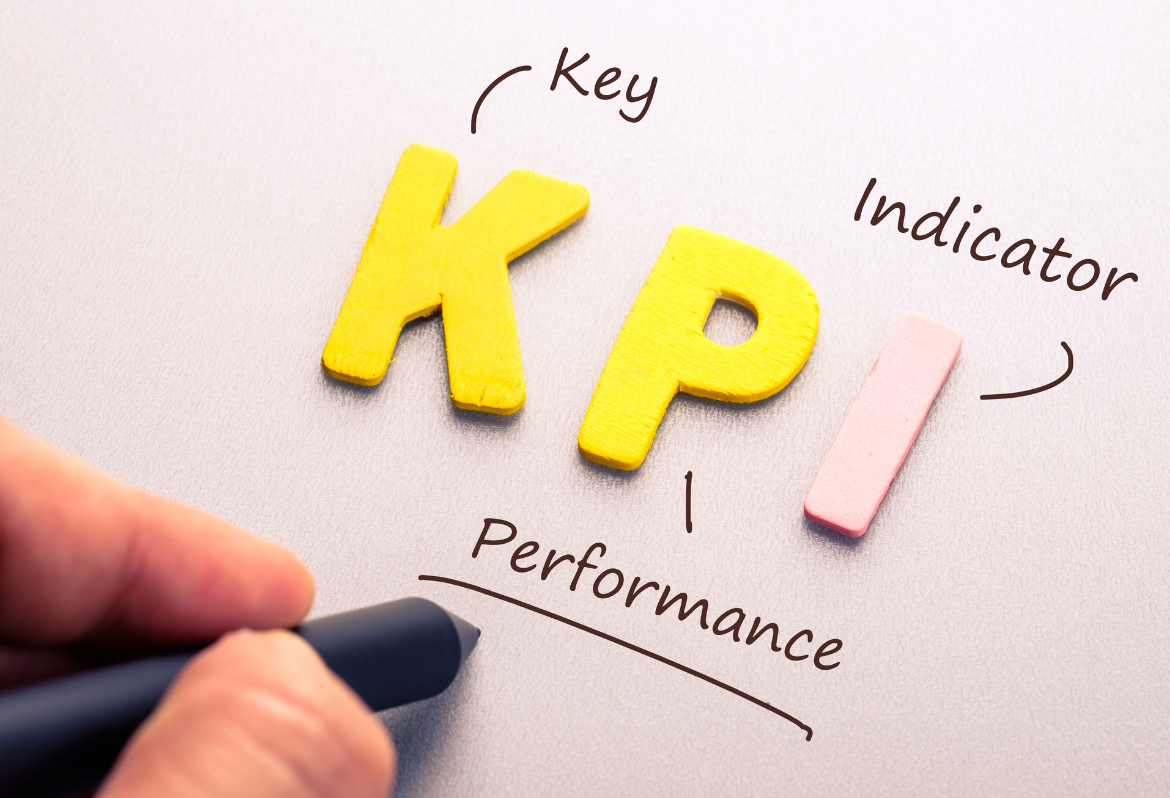
A KPI, or key performance indicator, is a quantifiable measure used to assess an organisation’s success against specific, predefined goals. It provides clear insight into business performance, from sales to marketing campaign effectiveness. A KPI might measure new customers acquired, visitor-to-buyer conversion rate or an advertising campaign’s return on investment (ROI). These concrete figures help track progress, adjust strategies along the way and achieve business goals effectively.
Characteristics of KPIs
A useful KPI needs several fundamental characteristics. First, it must be specific : un bon KPI est clairement défini et directement lié à des objectifs précis. Par exemple, au lieu de suivre un KPI vague comme “réduire les coûts”, un KPI plus spécifique serait “réduire les coûts de production de 10% d’ici la fin du trimestre”. Deuxièmement, il doit être measurable : KPIs must be quantifiable so progress can be assessed objectively. Collect data systematically and reliably. KPIs must also be achievable, representing realistic goals based on the business’s resources and capabilities. They must be relevant, directly connected to strategic goals and providing useful information. Finally, KPIs must be time-bound : define a specific period for achieving goals so progress can be measured over time.
2. Why are KPIs important?
Measure performance
KPIs provide quantitative data for assessing campaign, strategy and process effectiveness. Conversion rate, for example, shows how many website visitors become paying customers. This reveals marketing effectiveness and sales process areas needing improvement. In-depth analysis identifies campaign strengths and weaknesses, helps adjust tactics and optimises results.
Identify trends
KPIs reveal trends through data collected over longer periods. Declining social engagement, for example, may suggest content is becoming less relevant. Regular monitoring enables proactive adjustments to stay relevant and engage more effectively. It detects changes in consumer behaviour or market conditions, helping you anticipate and respond to developments.
Make decisions
KPIs provide concrete data for informed decisions. Accurate measurements reveal what works in current strategies. Low advertising ROI may indicate poorly allocated resources or a campaign needing changes. KPIs highlight improvement areas, guide adjustments to maximise results and support strategic decisions with data-based evidence.
Align goals
KPIs align team efforts with company goals. Clear departmental indicators help everyone work towards the same objectives. If the business wants to increase revenue, marketing KPIs might focus on website traffic and conversion rates, while sales focuses on techniques and retention. This supports a consistent, coordinated approach.
Also read: How to present your business online to attract potential customers
3. Different types of KPIs
%22%2F%3E%3Ccircle%20cx%3D%221120%22%20cy%3D%220%22%20r%3D%22280%22%20fill%3D%22%23a369f9%22%20opacity%3D%22.12%22%2F%3E%3Ctext%20x%3D%2254%22%20y%3D%2260%22%20fill%3D%22%23c8a7ff%22%20font-size%3D%2220%22%20font-weight%3D%22700%22%20letter-spacing%3D%223%22%20font-family%3D%22Arial%2Csans-serif%22%3EGOSOCIAL%20%C2%B7%20INSIGHTS%3C%2Ftext%3E%3Ctext%20x%3D%2254%22%20y%3D%22127%22%20fill%3D%22%23fff%22%20font-size%3D%2242%22%20font-weight%3D%22700%22%20font-family%3D%22Arial%2Csans-serif%22%3EThe%20main%20types%20of%20KPIs%3C%2Ftext%3E%3Ctext%20x%3D%2254%22%20y%3D%22215%22%20fill%3D%22%23ded1ef%22%20font-size%3D%2223%22%20font-weight%3D%22400%22%20font-family%3D%22Arial%2Csans-serif%22%3EChoose%20indicators%20that%20connect%20your%20activity%20to%20a%20clear%20business%20objective.%3C%2Ftext%3E%3Crect%20x%3D%2254%22%20y%3D%22310%22%20width%3D%22345%22%20height%3D%22220%22%20rx%3D%2220%22%20fill%3D%22%23ffffff%22%20opacity%3D%22.07%22%20stroke%3D%22%23c4a0f6%22%20stroke-opacity%3D%22.36%22%2F%3E%3Ccircle%20cx%3D%2284%22%20cy%3D%22345%22%20r%3D%2214%22%20fill%3D%22%239d6ef0%22%2F%3E%3Ctext%20x%3D%2279%22%20y%3D%22351%22%20fill%3D%22%23fff%22%20font-size%3D%2216%22%20font-family%3D%22Arial%2Csans-serif%22%3E1%3C%2Ftext%3E%3Ctext%20x%3D%2278%22%20y%3D%22390%22%20fill%3D%22%23cdb0ff%22%20font-size%3D%2220%22%20font-weight%3D%22700%22%20font-family%3D%22Arial%2Csans-serif%22%3EFINANCE%20%26amp%3B%20SALES%3C%2Ftext%3E%3Ctext%20x%3D%2278%22%20y%3D%22449%22%20fill%3D%22%23fff%22%20font-size%3D%2223%22%20font-weight%3D%22400%22%20font-family%3D%22Arial%2Csans-serif%22%3ERevenue%2C%20margin%20and%3C%2Ftext%3E%3Ctext%20x%3D%2278%22%20y%3D%22480.74%22%20fill%3D%22%23fff%22%20font-size%3D%2223%22%20font-weight%3D%22400%22%20font-family%3D%22Arial%2Csans-serif%22%3Econversion%20rate%3C%2Ftext%3E%3Crect%20x%3D%22423%22%20y%3D%22310%22%20width%3D%22345%22%20height%3D%22220%22%20rx%3D%2220%22%20fill%3D%22%23ffffff%22%20opacity%3D%22.07%22%20stroke%3D%22%23c4a0f6%22%20stroke-opacity%3D%22.36%22%2F%3E%3Ccircle%20cx%3D%22453%22%20cy%3D%22345%22%20r%3D%2214%22%20fill%3D%22%239d6ef0%22%2F%3E%3Ctext%20x%3D%22448%22%20y%3D%22351%22%20fill%3D%22%23fff%22%20font-size%3D%2216%22%20font-family%3D%22Arial%2Csans-serif%22%3E2%3C%2Ftext%3E%3Ctext%20x%3D%22447%22%20y%3D%22390%22%20fill%3D%22%23cdb0ff%22%20font-size%3D%2220%22%20font-weight%3D%22700%22%20font-family%3D%22Arial%2Csans-serif%22%3EMARKETING%3C%2Ftext%3E%3Ctext%20x%3D%22447%22%20y%3D%22449%22%20fill%3D%22%23fff%22%20font-size%3D%2223%22%20font-weight%3D%22400%22%20font-family%3D%22Arial%2Csans-serif%22%3EAcquisition%20cost%20and%3C%2Ftext%3E%3Ctext%20x%3D%22447%22%20y%3D%22480.74%22%20fill%3D%22%23fff%22%20font-size%3D%2223%22%20font-weight%3D%22400%22%20font-family%3D%22Arial%2Csans-serif%22%3Ereturn%20on%20investment%3C%2Ftext%3E%3Crect%20x%3D%22792%22%20y%3D%22310%22%20width%3D%22345%22%20height%3D%22220%22%20rx%3D%2220%22%20fill%3D%22%23ffffff%22%20opacity%3D%22.07%22%20stroke%3D%22%23c4a0f6%22%20stroke-opacity%3D%22.36%22%2F%3E%3Ccircle%20cx%3D%22822%22%20cy%3D%22345%22%20r%3D%2214%22%20fill%3D%22%239d6ef0%22%2F%3E%3Ctext%20x%3D%22817%22%20y%3D%22351%22%20fill%3D%22%23fff%22%20font-size%3D%2216%22%20font-family%3D%22Arial%2Csans-serif%22%3E3%3C%2Ftext%3E%3Ctext%20x%3D%22816%22%20y%3D%22390%22%20fill%3D%22%23cdb0ff%22%20font-size%3D%2220%22%20font-weight%3D%22700%22%20font-family%3D%22Arial%2Csans-serif%22%3EOPERATIONS%3C%2Ftext%3E%3Ctext%20x%3D%22816%22%20y%3D%22449%22%20fill%3D%22%23fff%22%20font-size%3D%2223%22%20font-weight%3D%22400%22%20font-family%3D%22Arial%2Csans-serif%22%3EProcess%20efficiency%20and%3C%2Ftext%3E%3Ctext%20x%3D%22816%22%20y%3D%22480.74%22%20fill%3D%22%23fff%22%20font-size%3D%2223%22%20font-weight%3D%22400%22%20font-family%3D%22Arial%2Csans-serif%22%3Eerror%20rate%3C%2Ftext%3E%3Ctext%20x%3D%2254%22%20y%3D%22572%22%20fill%3D%22%23c8b3e2%22%20font-size%3D%2217%22%20font-family%3D%22Arial%2Csans-serif%22%3Egosocial-media.com%3C%2Ftext%3E%3C%2Fsvg%3E)
Financial KPIs
Revenue
Revenue is a fundamental financial KPI measuring total income from goods or services sold. It provides an overview of economic performance and is often a key success indicator. Increasing revenue can signal sales growth or successful expansion; a decline may require deeper analysis and adjustments to commercial strategies.
Profit margin
Profit margin measures profitability after production costs and other expenses. It indicates the percentage of revenue remaining after costs and shows how effectively costs are managed. High margins mean substantial profits relative to revenue; low margins may indicate high costs or insufficient prices. Tracking it supports informed pricing, cost and expense-reduction decisions.
Marketing KPIs
Cost per acquisition (CPA)
Cost per acquisition (CPA) measures the amount spent to acquire a new customer. It assesses campaign effectiveness and whether acquisition costs are justified by customer value. A high CPA may indicate excessive spending relative to results; a low CPA can indicate effective, optimised campaigns. Monitoring it helps reduce acquisition costs while maintaining or increasing conversions.
Return on investment (ROI)
Return on investment (ROI) measures marketing investment profitability: how much money is generated for each euro spent. High ROI indicates effective advertising and significant returns; low ROI suggests optimisation is needed. Calculating it justifies spending, identifies profitable campaigns and helps reallocate budgets based on performance.
Sales performance KPIs
Conversion rate
Conversion rate is the percentage of prospects becoming paying customers. It indicates the effectiveness of sales processes and lead generation. A high rate suggests an effective process and good targeting; a low rate may indicate sales problems or poor lead quality. Monitoring it helps adjust marketing and sales strategies.
Customer lifetime value (CLV)
Customer lifetime value (CLV) is the total amount a customer generates during their relationship with a business. It assesses long-term customer profitability and guides retention and marketing strategies. High CLV indicates loyalty and substantial long-term revenue; low CLV may suggest insufficient retention. Use it to develop strategies that increase loyalty and long-term value.
Operational KPIs
Process efficiency
Process efficiency measures the time and resources needed to complete a particular process. It helps assess operations and identify improvement areas. Excessive order processing time, for example, can affect satisfaction and require changes. Tracking this KPI helps optimise processes, reduce costs and improve overall efficiency.
Error rate
Error rate compares errors or defects with total operations completed. It indicates quality and accuracy and reveals process or system problems. A high rate may suggest training gaps or system issues; a low rate indicates precise, effective operations. Monitoring it helps implement quality improvements and reduce mistakes.
4. How to define effective KPIs

Set clear goals
Begin with clear, well-defined goals. KPIs should directly reflect strategic objectives and precisely measure progress. If you aim to increase annual sales by 15%, for example, track prospect-to-customer conversion rate and monthly revenue. Make each KPI specific, measurable, achievable, relevant and time-bound (SMART) to provide valuable, actionable insights.
Use reliable data
KPIs need accurate, reliable data to be useful. Use quality measurement and tracking tools, establish effective collection systems, ensure accuracy and regularly check data quality. Reliable data supports informed decisions and minimises measurement-error risks.
Involve your team
Involving the team in defining KPIs builds commitment and engagement. Make sure everyone understands goals, expectations and selected indicators. This encourages coordinated collaboration. Team involvement also provides different perspectives and suggestions to refine KPIs around operational realities and business challenges.
Review KPIs regularly
KPIs are not static. Review them regularly to keep them relevant and aligned with business goals. Market conditions, strategic priorities and operational capabilities can change. Periodically assess current KPIs, adjust them as needed and ensure they continue to support strategic decisions.
Also read: Creating a sustainable social media strategy for 2024
5. Practical example: KPIs at GoSocial
Engagement rate
At GoSocial, we use engagement rate to measure interaction with our social posts. It indicates how relevant and impactful our content is to the target audience. High engagement means the content resonates, encouraging likes, comments and shares that increase visibility and reach. Monitoring it helps us adjust content to maximise engagement and strengthen community relationships.
Click-through rate (CTR)
Click-through rate (CTR) is another important KPI we track at GoSocial to assess our online advertising. It measures the percentage of people clicking ads relative to total views. High CTR suggests appealing, relevant ads; low CTR may indicate a need for changes. Using CTR to optimise campaigns helps increase website traffic and advertising ROI.
Cost per click (CPC)
Cost per click (CPC) is crucial for managing advertising budgets and assessing campaign effectiveness. At GoSocial, we monitor CPC to understand spending per ad click. A high CPC may indicate excessive bids or insufficient optimisation; a low CPC can indicate effective targeting. Adjusting it helps optimise spending, maximise ROI and achieve marketing goals efficiently.
Example of a successful campaign
To illustrate the impact of KPIs, consider a recent campaign run by GoSocial to promote a new service. Using engagement rate, CTR and CPC, we tracked and optimised performance in real time. Regular monitoring identified the strongest elements and enabled rapid changes. This increased campaign ROI by 20%, maximising conversions while optimising advertising spending.
Also read: How to use Google Ads to generate quality property leads in Morocco
Conclusion
KPIs are essential for measuring and improving sales and marketing performance. Understanding the different types, their importance and how to define them provides valuable insights for optimising strategies and achieving goals. At GoSocial, we use these indicators to guide decisions and maximise campaign results. Applying these principles can improve your business performance and support decisions based on concrete data.
“For effective marketing campaigns, monitor KPIs closely: they reveal what works and what needs adjustment.”
GoSocial: your partner of choice
GoSocial is a digital marketing agency in Morocco helping small businesses maximise their online potential. Our services include website creation, SEO, social media management and online advertising. We build measurable strategies tailored to your offer and goals.
Ready to improve your local visibility and attract more customers in your area? Contact GoSocial today for a free audit of your Google Ads. Together, let’s make your business the preferred choice of local consumers.
Request your quote and start leading local search results with GoSocial.
